
How Arrest Warrants Work in Hamilton County
An arrest warrant in Hamilton County is a court order to take a person into custody in a criminal case. Indiana procedure rests the order on probable cause. That means facts solid enough to ground a sound belief that a crime occurred and that the named person committed it. Hamilton Circuit Court and Hamilton Superior Courts 1 through 7 handle the main county criminal process. Carmel, Fishers, and Noblesville City Courts can also issue process, but only within their limited cases. The Hamilton County Clerk records the filings. The office issues warrants under court direction. Indiana Code 35-33-2-3 directs an arrest warrant to the sheriff where the indictment or information was filed. Any law-enforcement officer may serve it. The issuing court keeps the order. Hamilton County Sheriff confirms active status and handles county custody.
Hamilton Arrest Warrant Issuance
It starts with a charging instrument or sworn facts. A judge or authorized officer then reviews them for probable cause. If the standard is met, an arrest warrant issues. The Clerk records the process next. Hamilton County Sheriff, a city officer, or another officer may serve it, depending on the investigation and where service happens.
Hamilton County lists police agencies in Carmel, Fishers, Noblesville, Westfield, Cicero, Arcadia, and Sheridan alongside the Sheriff. That map does not predict who will make a specific arrest. It explains why both a city agency and Sheriff confirmation may matter. Court order → Clerk entry → officer service → jail or bail handling → next court event is the basic flow.
Arrest Warrants: What They Contain
Public Hamilton County records show pieces of the process. MyCase can display a cause number, court, case type, filing date, charge, chronological entries, hearings, disposition, and public documents. A warrant may appear as a docket event alone.
| Cause number | 29D04-YYMM-XX-######, a format illustration |
|---|---|
| Court | Circuit, Superior, or named city court |
| Charge | Public offense and classification when available |
| Warrant event | Issued, served, recalled, or quashed |
| Hearings | Public dates and status |
| Bond | Case-specific amount or type if entered |
Sealed Hamilton County Arrest Warrants
Indiana Administrative Rule 9 lets a court keep arrest warrants, search warrants, indictments, and charging information confidential before service. Disclosure could defeat an unserved warrant. Juvenile matters, expunged cases, and other records made confidential may also stay out of public view. Hamilton County seals follow the same rule.
Access limit: No MyCase match cannot prove that Hamilton County has no arrest warrant. Confirm one's own status through official channels.
The Indiana public-access table explains which documents may be online and which stay in person only. A Clerk request cannot lift a Hamilton County seal.
How Warrants Get Served in Hamilton County
Indiana law lets any law-enforcement officer serve a warrant on any day, at any hour. Once arrested, the accused goes to the county sheriff for jail or bail handling. Hamilton County Sheriff may coordinate custody. A city department may make contact instead. No public source promises the location, timing, or agency of a single attempt. Hamilton County Jail sits at 18102 Cumberland Road, Noblesville, and answers at 317-776-9800. Its inmate portal works only after booking. A match may show custody and bond fields. A non-match does not clear a pre-arrest warrant, and the jail warns that it does not accept cryptocurrency for bond.
Hamilton Arrest Warrant Phone Confirmation
There is no public all-name warrant list. Call Sheriff Records at 317-773-1872 on weekdays from 8 a.m. to 4:30 p.m. After hours, use 317-776-9800, labeled Warrant Confirmation. Have the legal name, DOB if requested, cause number, and possible court ready. Ask whether Hamilton County holds an active warrant. Ask which court issued it and which office gives current bond or appearance directions. Sheriff confirmation covers enforcement status; the court answers questions about the order.
Arrest Warrants, Summonses, and Bench Warrants
A summons tells a person to appear rather than placing them under arrest. Indiana allows a misdemeanor summons in some cases. Skip it without cause, though. An unjustified failure to appear can bring a warrant, and a bench warrant often enforces a missed duty in an existing Hamilton County case.
| Feature | Arrest Warrant | Summons | Bench Warrant |
|---|---|---|---|
| What It Orders | Custody | Appearance | Custody for a missed duty |
| Basis | Probable cause | Notice of a case | FTA or noncompliance |
| Response | Counsel, surrender, bond, hearing | Appear as directed | Recall, reset, or appearance |
Hamilton Arrest Warrant Process Records
Carmel's official infractions and violations page distinguishes a criminal “Information and Summons” from a noncriminal “Complaint and Summons” in Hamilton County.
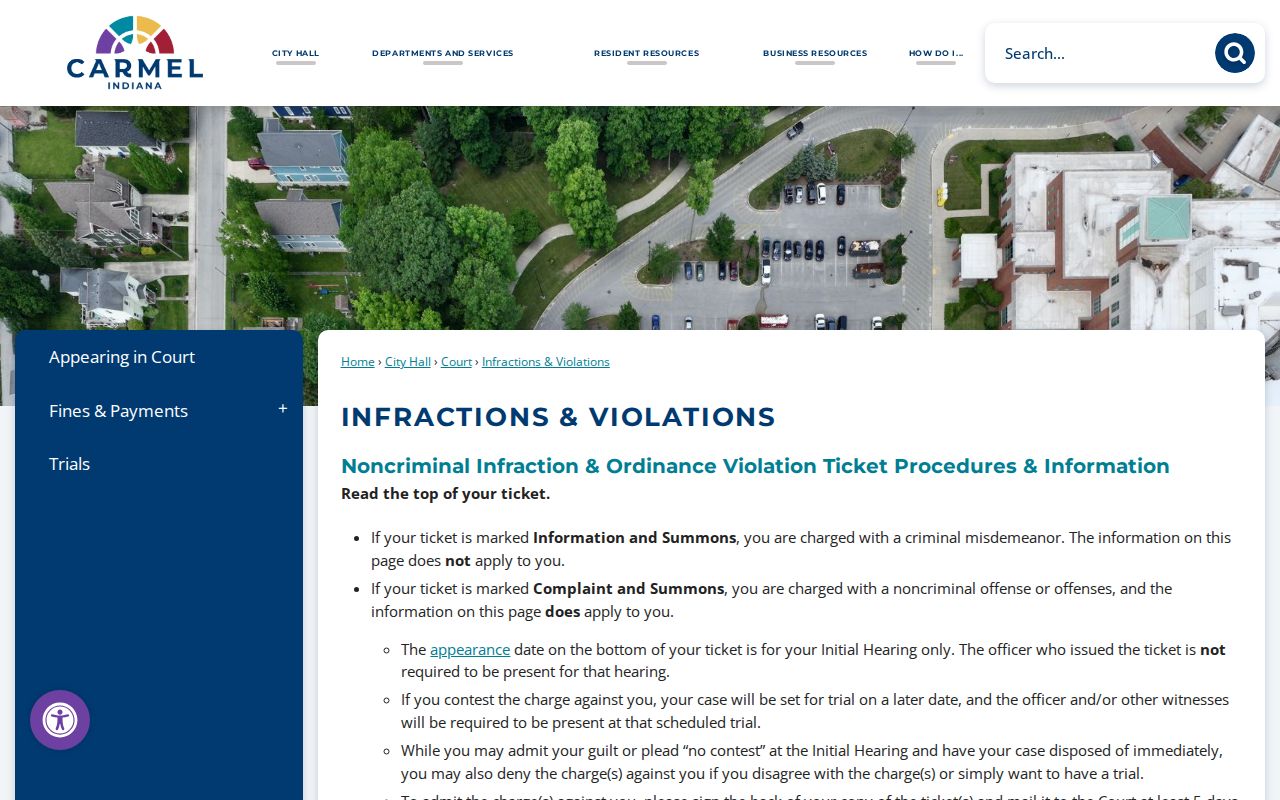
A summons classification and an arrest warrant are different forms of process, and the gap is worth understanding. That matters most when paperwork replaces an arrest. A summons sets a duty to respond. The named court can say whether the matter remains a summons, whether a later FTA was entered, and whether a warrant now exists. Sheriff confirmation then supplies current enforcement status. Two calls beat an old docket view. After an arrest, the Hamilton current-inmate portal shows booking and bond fields. For the case itself, use MyCase and the court that issued the process. Hamilton County publishes no universal bond schedule. Posting bond governs release, not dismissal. Federal arrest warrants run on another system entirely. Hamilton County lies in the Southern District of Indiana, and the U.S. Marshals Service handles federal warrant service. The Hamilton County Clerk cannot confirm or clear a federal order, a federal docket may be sealed, and counsel plus the federal court are the right channels.
Handling an Arrest Warrant in Your Name
Work through this in a set order. Search MyCase for the cause number and the court, keeping in mind that sealed material may not appear there. The Sheriff confirms active warrant status by phone. Then contact the issuing court and a lawyer about a hearing, a recall request, or a planned surrender. Confirm the place, time, and case-specific bond terms first. After any court action, verify your Hamilton County warrant status again. The Hamilton County Clerk, 1 Hamilton County Square, Suite 106, Noblesville, 317-776-9629, supplies accessible copies through its record request page; small fees may apply, and staff cannot give legal advice.
Important: Do not ignore an active warrant or appear without current instructions. Counsel can ask about a scheduled surrender or recall request.
Hamilton Court Copies and Sheriff Status
A court copy and Sheriff confirmation answer different questions. The Hamilton County court record shows the legal case, its public events, and the filed orders. Sheriff confirmation reports whether the agency still treats the arrest warrant as active. The two systems update at different times. Ask when a recall, service, or release event was entered, and keep proof of the court action. Under the Indiana Access to Public Records Act, Indiana Code 5-14-3, a request must describe the desired record with reasonable particularity, and the law never forces disclosure of sealed or confidential material. The Sheriff takes records requests by fax or email. His page routes defendant and court-case questions to MyCase and keeps active-warrant verification on the phone. Hamilton County's 2024 Sheriff report recorded 119 county warrant arrests, 22 other-county warrant arrests, and 218 service attempts. Those figures show annual workload. They do not count today's active Hamilton County warrants. The 2025 report also discusses tax warrants. Tax warrants collect state revenue, so never fold them into a criminal arrest-warrant total. If a status changes after a hearing or surrender, ask the court for the exact date and wording of its action. “Recalled” means the issuing court withdrew the warrant. “Quashed” means it set the order aside. “Served” means law enforcement carried it out. None of those terms alone tells you whether the underlying charge ended.